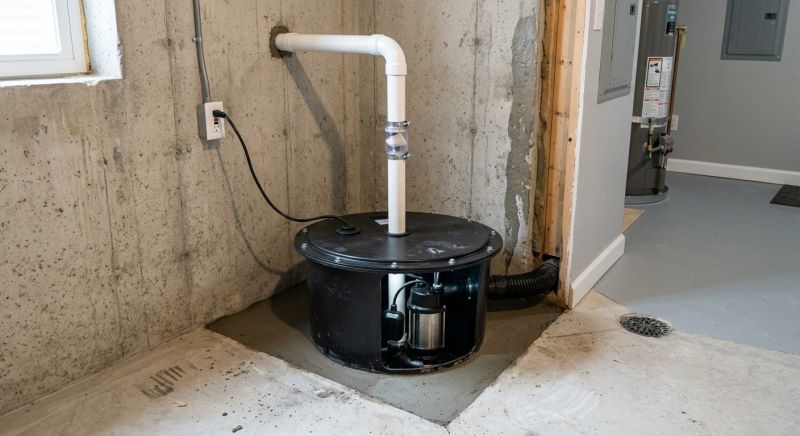
Ejector Pump Installation in Boston, MA
Ejector pump installation services are designed to help homeowners manage wastewater and sewage that need to be transported from lower to higher elevations within a property. These systems are commonly used in basement bathrooms, laundry rooms, or other areas where gravity alone cannot effectively drain waste. Proper installation ensures that wastewater is safely and efficiently moved to the main sewer line or septic system, preventing backups and water damage. Projects typically involve assessing the property's plumbing layout, selecting the appropriate ejector pump model, and installing the system with the necessary piping and electrical connections.
Property owners considering ejector pump installation should understand the specific requirements of their home or project, including the location of existing plumbing and the type of waste to be handled. It’s important to evaluate the space available for the pump and its components, as well as any local building codes or regulations that may apply. Clear communication about the intended use, expected capacity, and maintenance needs can help ensure the system functions reliably and meets the property’s needs effectively.
Many property owners in Boston, MA look into Ejector Pump Installation for repairs, replacements, upgrades, and appearance-related improvements.
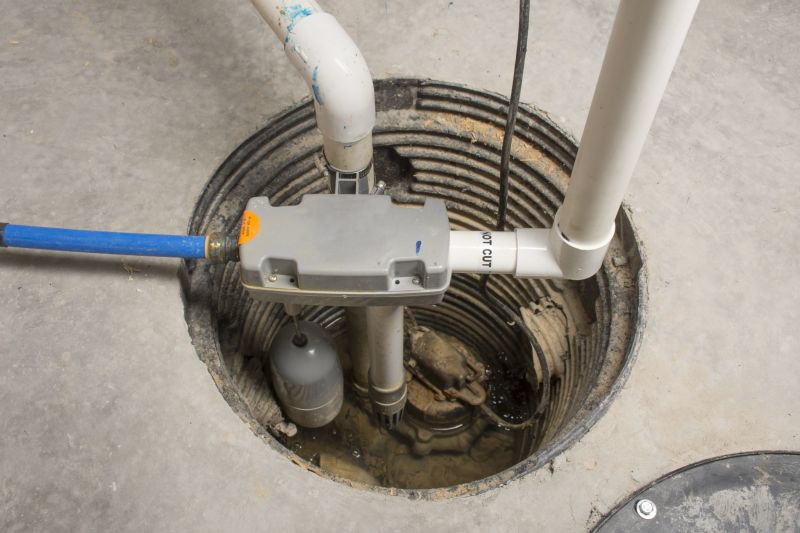
Ejector Pump System Basics
Ejector pumps help manage wastewater in homes with basement bathrooms or laundry rooms.
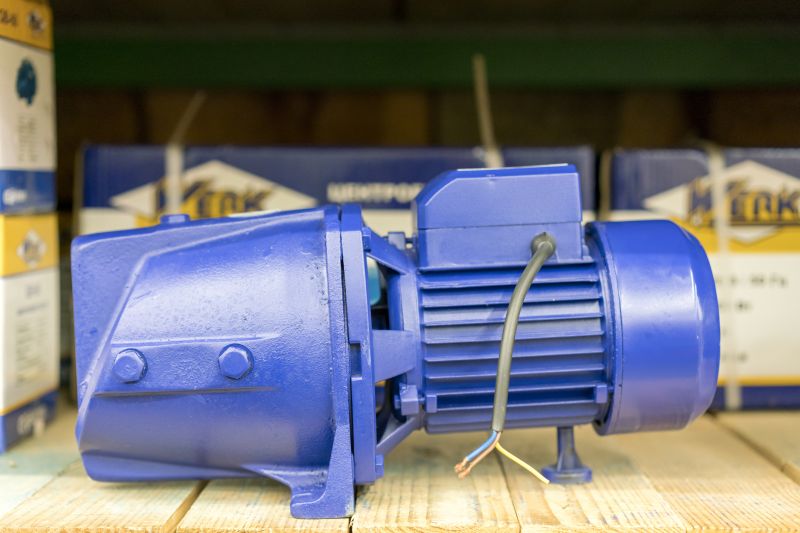
Installation Considerations
Proper placement and sizing are essential for reliable ejector pump operation in residential properties.
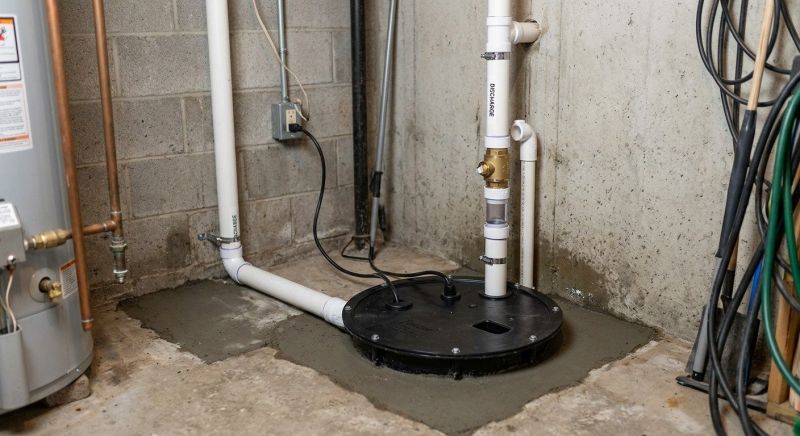
Maintenance And Troubleshooting
Regular checks can prevent clogs and ensure the ejector pump functions effectively in boston-area homes.
Ejector Pump Installation in Boston, MA

Ejector pump installation services are designed to help homeowners manage wastewater and sewage that need to be transported from lower to higher elevations within a property. These systems are commonly used in basement bathrooms, laundry rooms, or other areas where gravity alone cannot effectively drain waste. Proper installation ensures that wastewater is safely and efficiently moved to the main sewer line or septic system, preventing backups and water damage. Projects typically involve assessing the property's plumbing layout, selecting the appropriate ejector pump model, and installing the system with the necessary piping and electrical connections.
Property owners considering ejector pump installation should understand the specific requirements of their home or project, including the location of existing plumbing and the type of waste to be handled. It’s important to evaluate the space available for the pump and its components, as well as any local building codes or regulations that may apply. Clear communication about the intended use, expected capacity, and maintenance needs can help ensure the system functions reliably and meets the property’s needs effectively.
Many property owners in Boston, MA look into Ejector Pump Installation for repairs, replacements, upgrades, and appearance-related improvements.
Common Ejector Pump Installation Jobs
Ejector Pump Installation - helps manage wastewater from basement bathrooms and laundry areas.
Septic System Upgrades - supports proper sewage flow in homes without municipal connections.
Basement Plumbing Solutions - addresses drainage issues caused by high water tables or flooding risks.
Sump Pump Integration - prevents basement flooding by removing excess groundwater effectively.
Drainage System Improvements - ensures reliable removal of wastewater in challenging property layouts.
Pump Replacement Services - upgrades aging ejector pumps to maintain efficient sewage disposal.
Ejector Pump Installation Questions
What is an ejector pump used for? An ejector pump is used to remove wastewater from basement bathrooms, laundry rooms, or other below-grade areas where gravity drainage isn't possible.
When is installation of an ejector pump needed? Installation is typically required when plumbing fixtures are located below the main sewer line or in areas with insufficient drainage slope.
What should property owners consider before installing an ejector pump? It’s important to evaluate the location, power supply, and space available for the pump and its components.
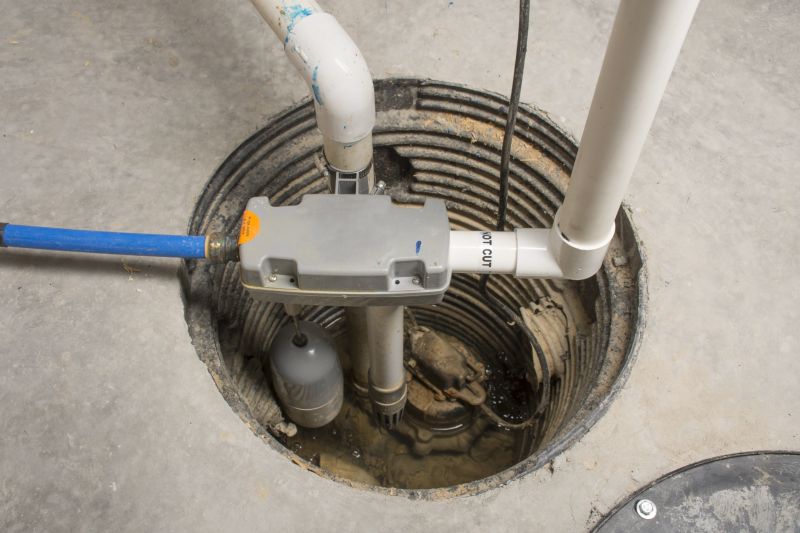
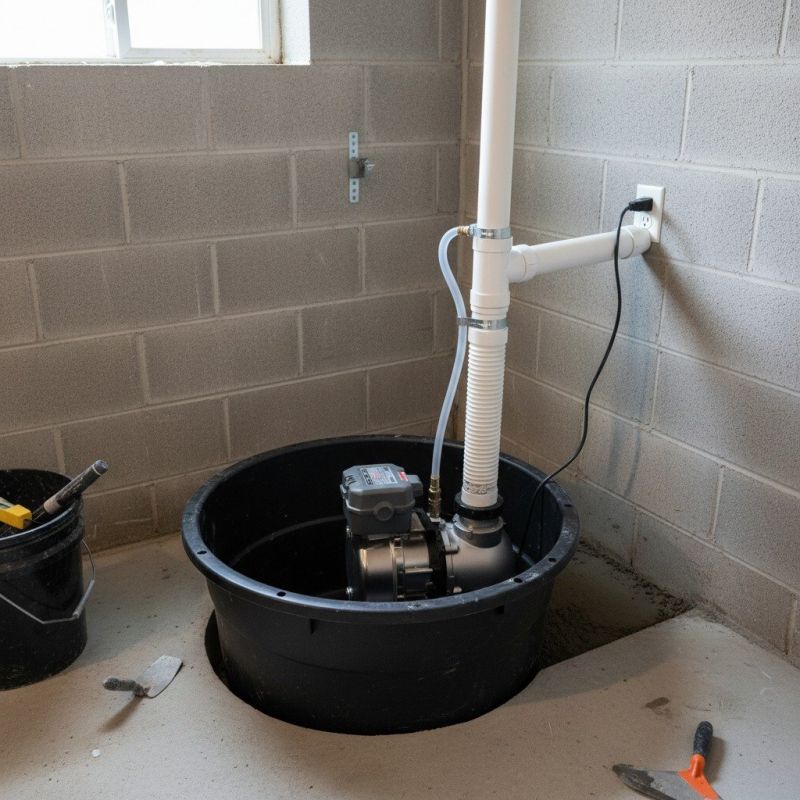
How does the installation process typically proceed? The process involves connecting the pump to the plumbing fixtures, installing a basin, and ensuring proper venting and electrical connections.
Request Ejector Pump Installation in Boston, MA
Use the quote form on this page to share the basics of your project and request more information for the type of work you need.